ARTWORK DESCRIPTION:
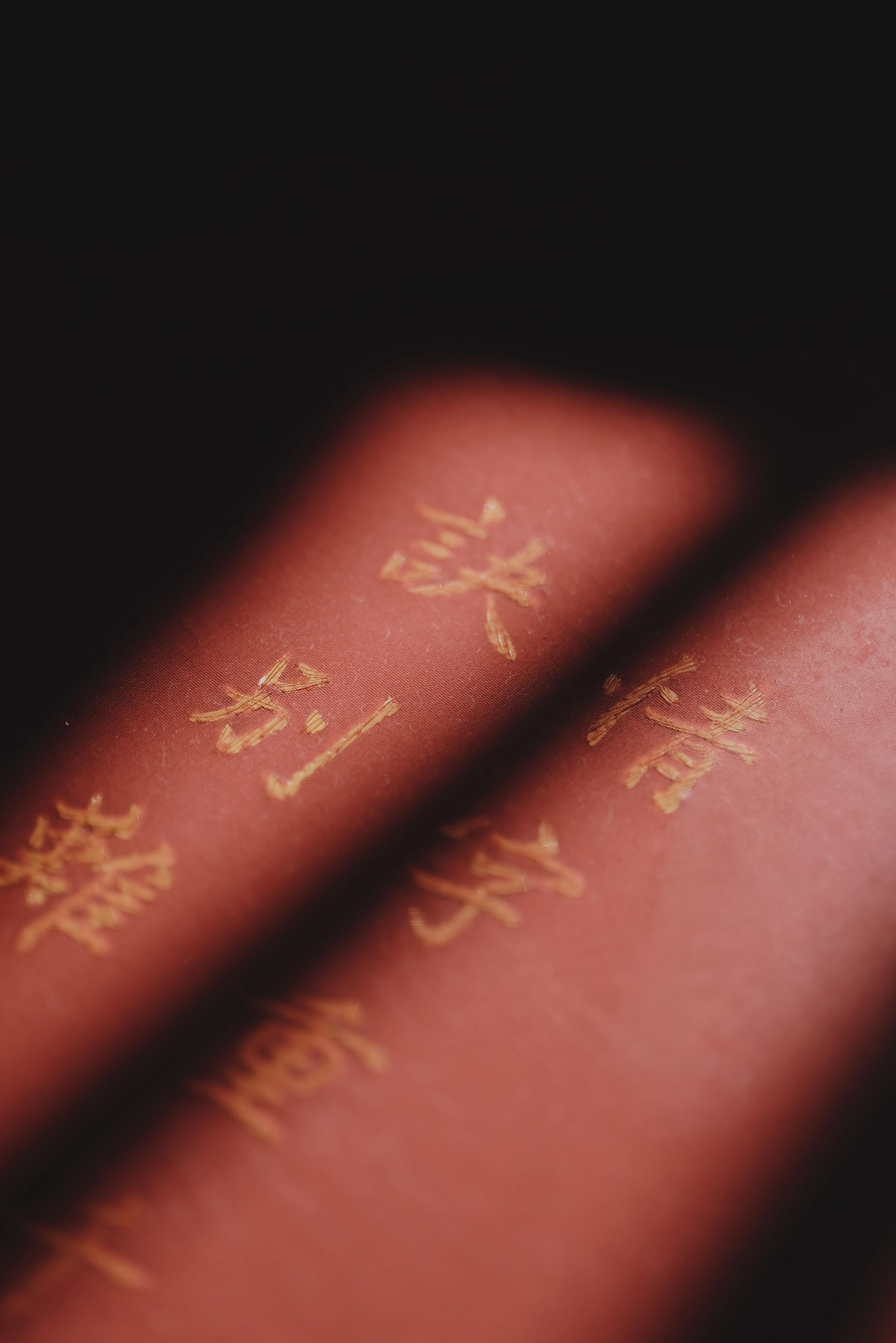
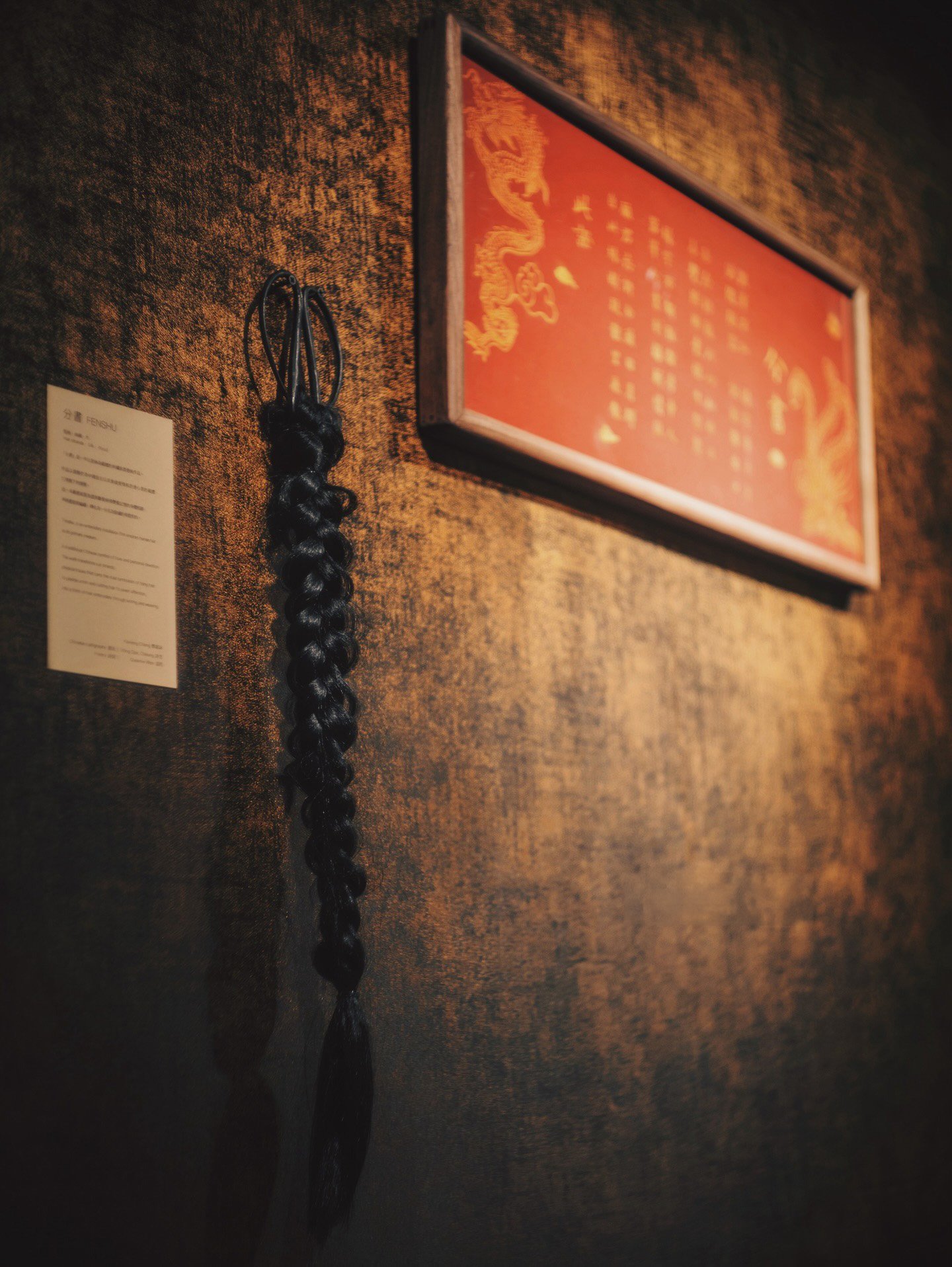
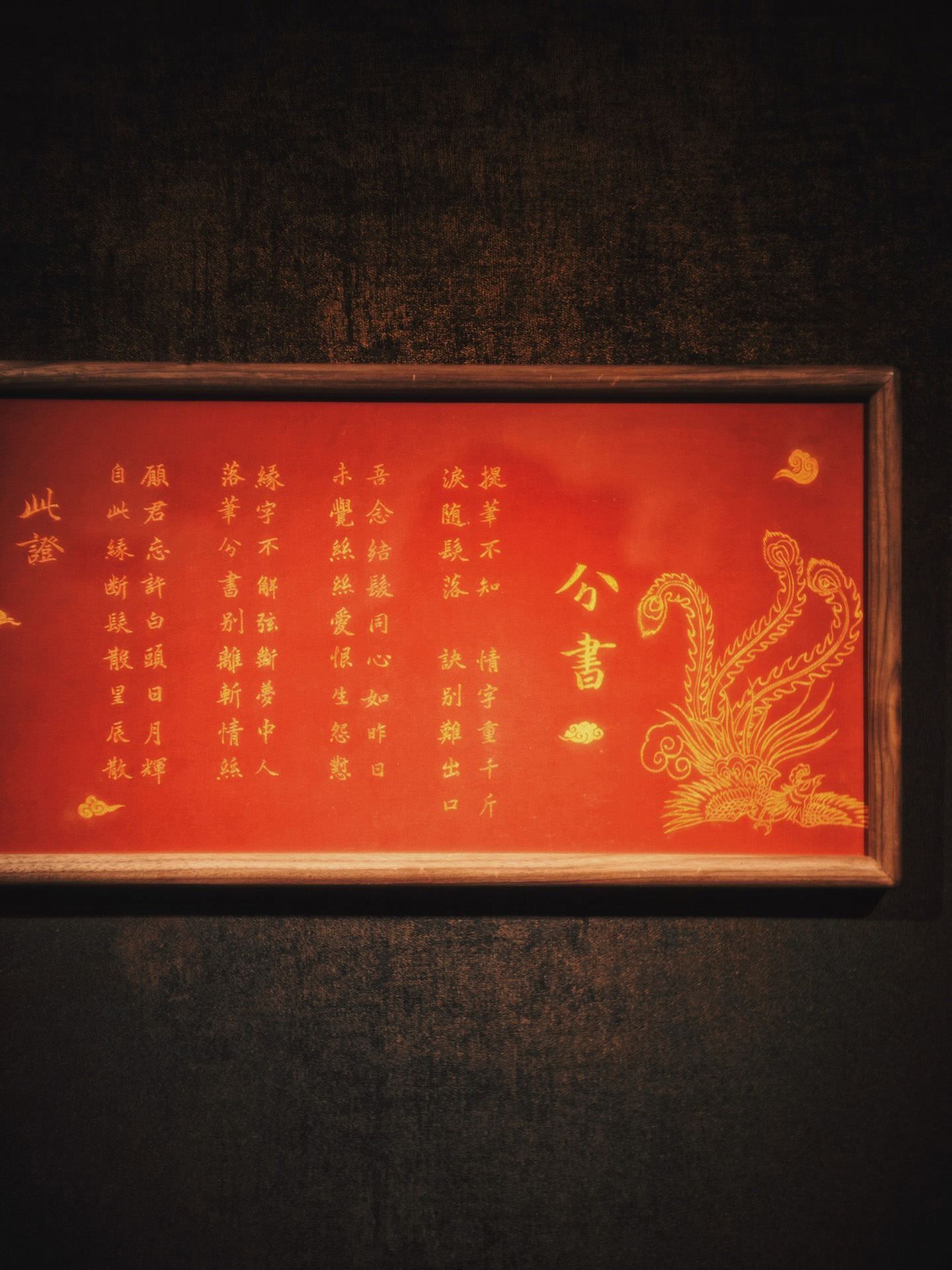
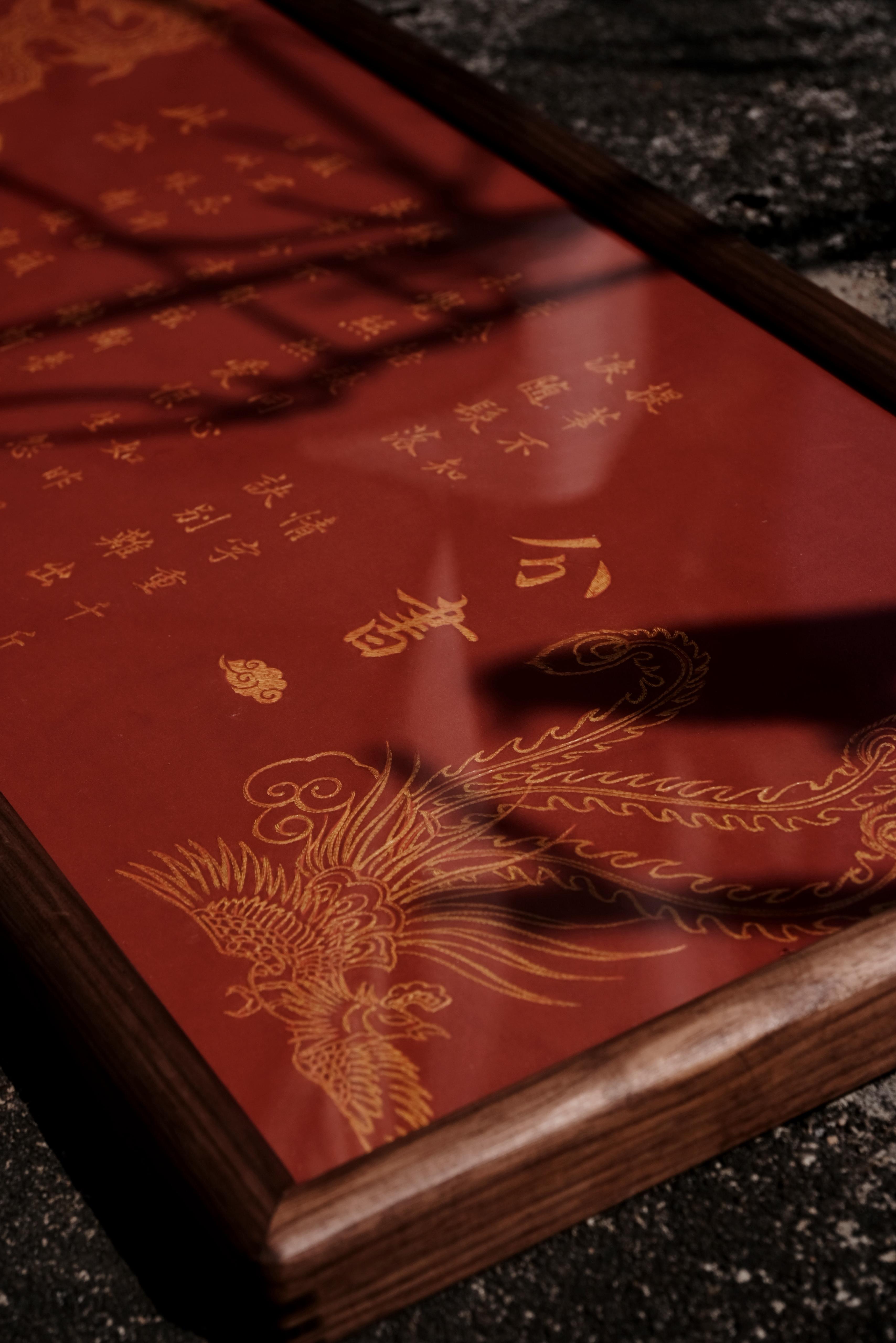
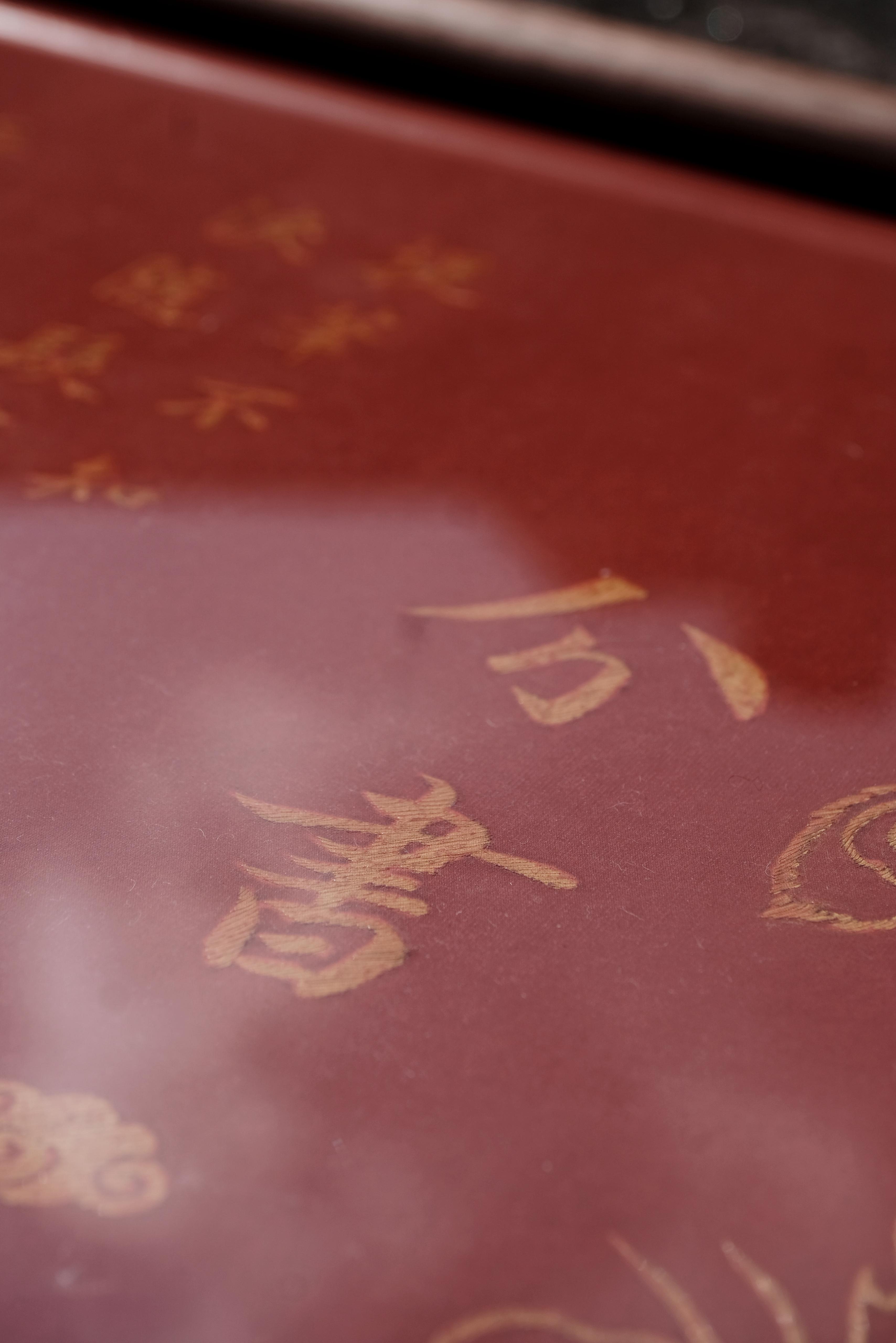
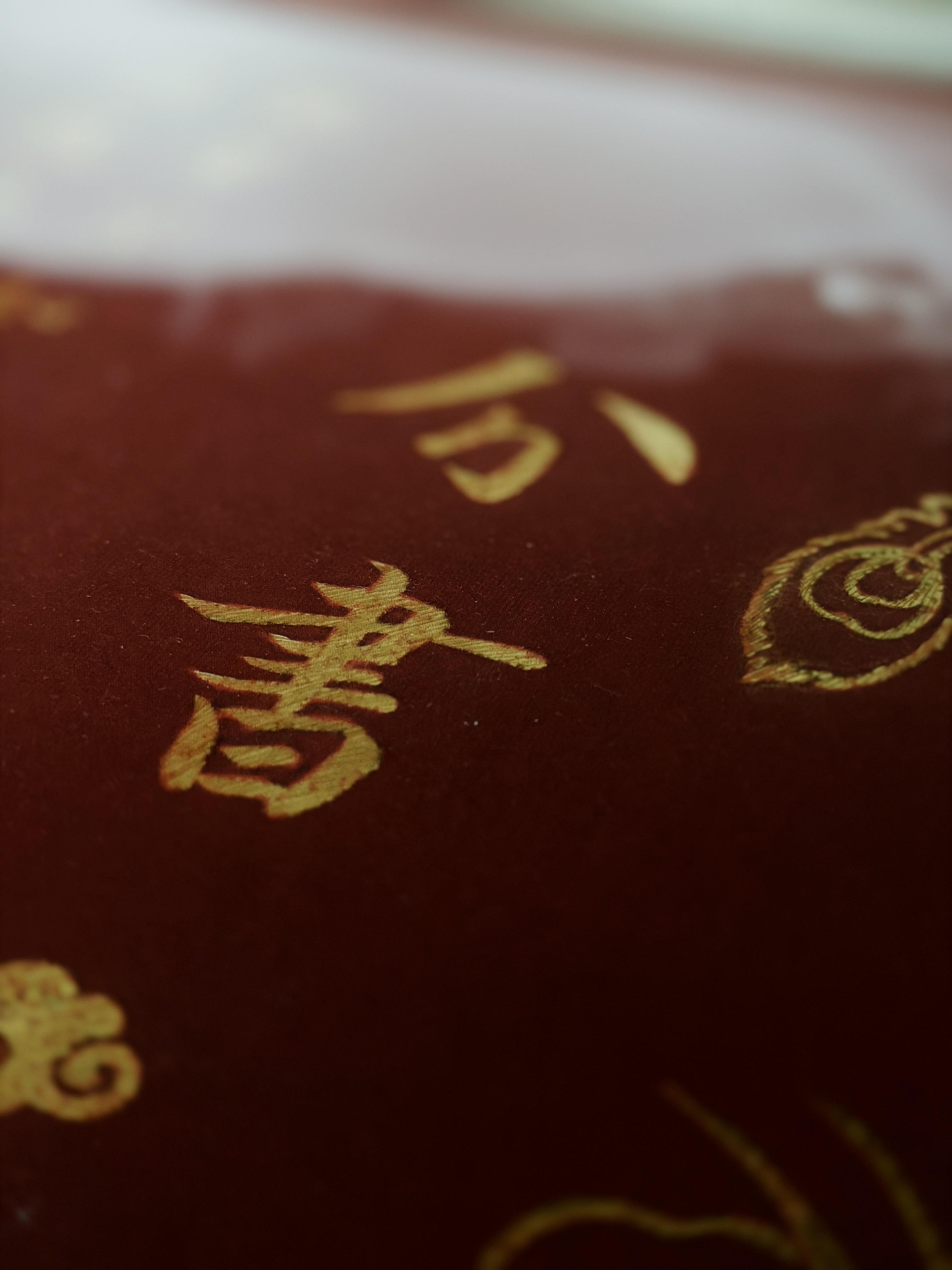
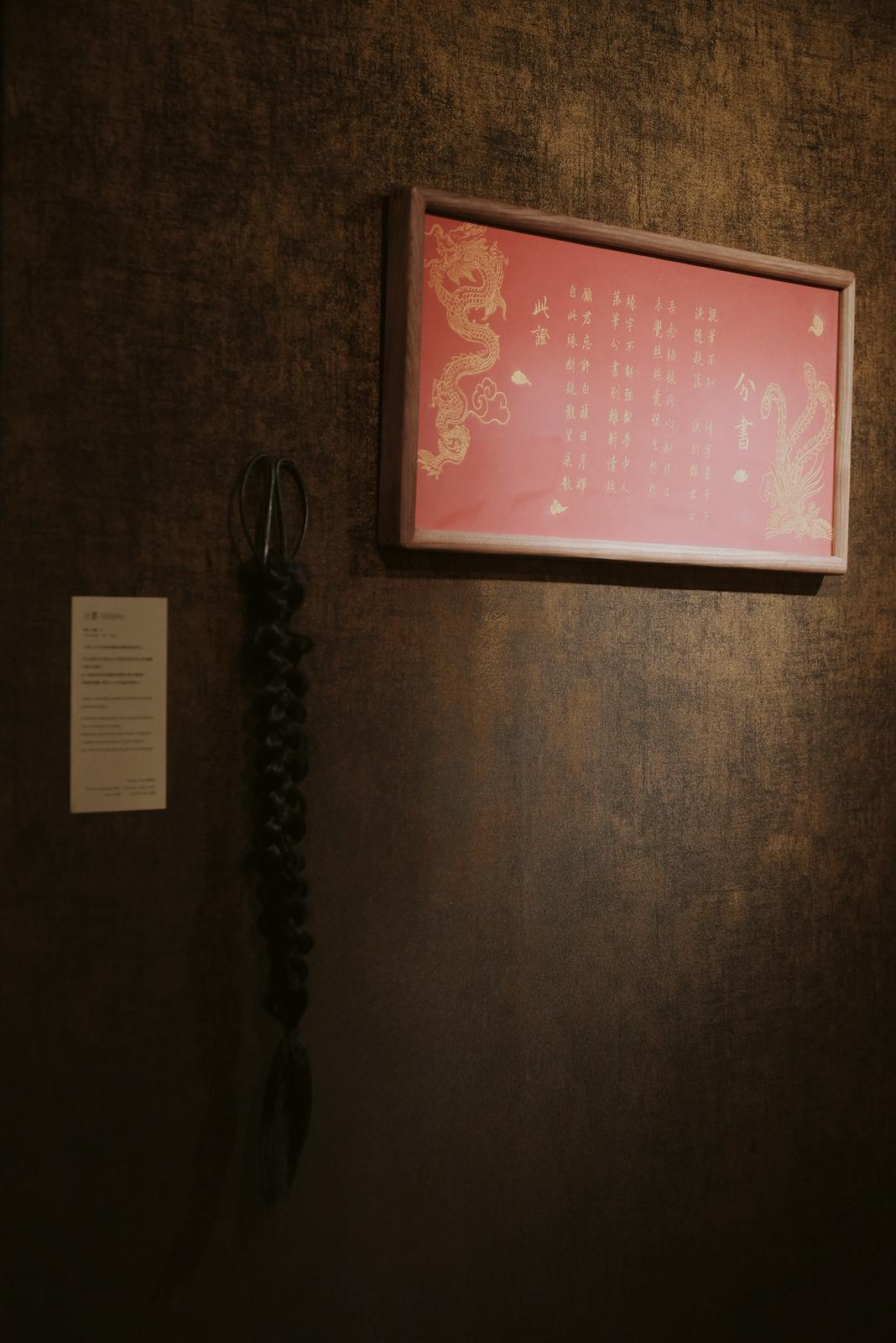
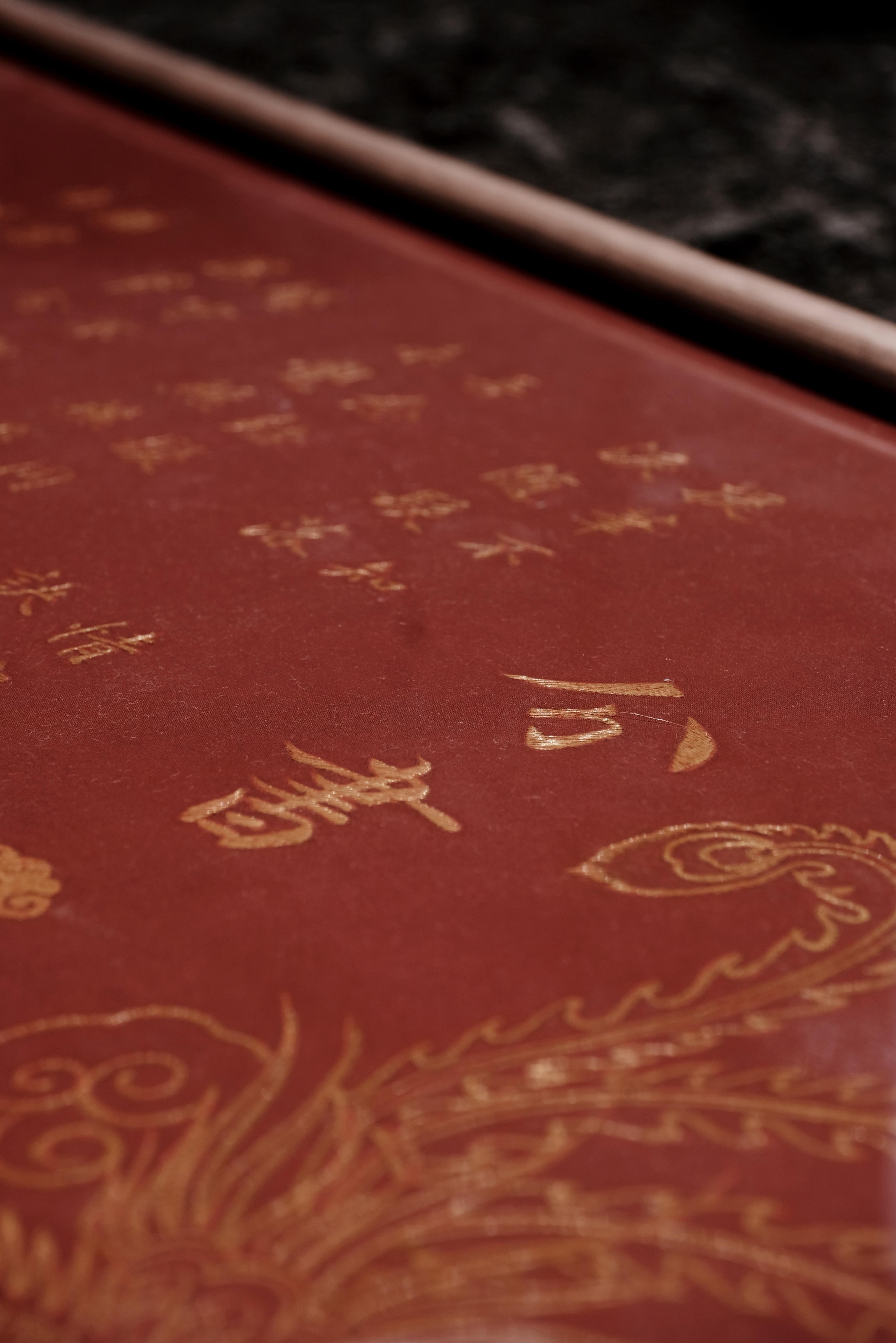
Fenshu is a collective work that turns separation into a wordless ritual. Conceived by Kavieng Cheng, given poetic form by Queenie Wen 溫筠, and embodied through calligraphy by Mandy Cheung 詩念, the piece entrusts its core technique to the intangible cultural heritage of hair embroidery in Dongtai, Jiangsu. Created by master artisan Ding Chongzheng and his team at the Dongtai Hair Embroidery Association, the work establishes a collaborative framework that crosses regions, disciplines and generations, lending it a resonance that transcends cultures and time.
At the centre of Fenshu is a charged material: hair. In Chinese cultural symbolism, “tying hair” marks the binding of two lives in marriage, while “cutting hair” has long been associated with rupture, mourning, or a decisive farewell. These strands, carrying both bodily memory and layered metaphor, are entrusted to the artisans of Dongtai, who translate them through the minute, devotional practice of hair embroidery—an art form regarded as a spiritual form of intangible heritage—into a contemporary visual language.
Several transformations quietly take place here. From the fleeting to the enduring: the emotions present in the moment of cutting hair are, by nature, instantaneous. In Fenshu, that small, sharp instant—a heartbreak that might have belonged to a single night—is extended into embroidery, into a time-object that can be encountered, re-read and re-felt long after the original moment has passed. From ending to ongoing inquiry: if cutting hair traditionally signals rupture or grief, in this work, it becomes the starting point of a long-term question—how to say goodbye, how to acknowledge what was, and how to patiently redefine oneself in the wake of an ending.
As the conceptual fulcrum, Kavieng Cheng proposes the title Fenshu: a term that evokes the legal document of separation, yet here is opened up as “a book of parting, a letter in pieces”. The work is not driven by accusation or by pure lament; it is concerned with working through and transformation. Fenshu suggests a possible method: when a relationship reaches its end in the external world, we might still create a parallel ritual in which displaced emotions are rewoven into a visible, enduring covenant. In this sense, parting is no longer only an act of erasure or an absolute end, but the beginning of a quiet re‑composition—a slow, attentive re‑writing of the self in the tense we might call the present past.
At the centre of Fenshu is a charged material: hair. In Chinese cultural symbolism, “tying hair” marks the binding of two lives in marriage, while “cutting hair” has long been associated with rupture, mourning, or a decisive farewell. These strands, carrying both bodily memory and layered metaphor, are entrusted to the artisans of Dongtai, who translate them through the minute, devotional practice of hair embroidery—an art form regarded as a spiritual form of intangible heritage—into a contemporary visual language.
Several transformations quietly take place here. From the fleeting to the enduring: the emotions present in the moment of cutting hair are, by nature, instantaneous. In Fenshu, that small, sharp instant—a heartbreak that might have belonged to a single night—is extended into embroidery, into a time-object that can be encountered, re-read and re-felt long after the original moment has passed. From ending to ongoing inquiry: if cutting hair traditionally signals rupture or grief, in this work, it becomes the starting point of a long-term question—how to say goodbye, how to acknowledge what was, and how to patiently redefine oneself in the wake of an ending.
As the conceptual fulcrum, Kavieng Cheng proposes the title Fenshu: a term that evokes the legal document of separation, yet here is opened up as “a book of parting, a letter in pieces”. The work is not driven by accusation or by pure lament; it is concerned with working through and transformation. Fenshu suggests a possible method: when a relationship reaches its end in the external world, we might still create a parallel ritual in which displaced emotions are rewoven into a visible, enduring covenant. In this sense, parting is no longer only an act of erasure or an absolute end, but the beginning of a quiet re‑composition—a slow, attentive re‑writing of the self in the tense we might call the present past.
Approx. size:
30 cm × 68 cm
Materials used:
Hair embroidery on fabric/xuan paper, silk thread, ink, cut hair